
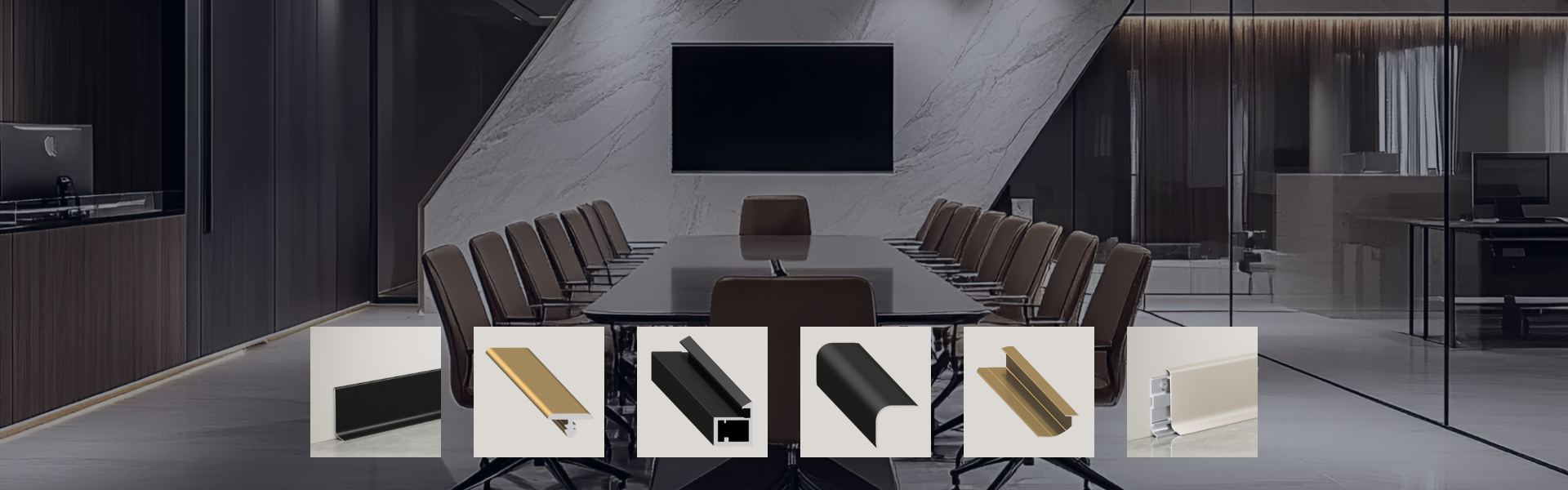
Aluminum edge trim is the perfect solution for flooring and walls thanks to its unique combination of durability, aesthetic appeal, and functional benefits. This comprehensive guide explains why aluminum edge trim is increasingly chosen by homeowners, designers, and contractors to protect surfaces, provide clean transitions, and enhance interior spaces.
One of the key strengths of aluminum edge trim is its remarkable durability. Aluminum is resistant to corrosion, rust, and wear, making it ideal for wet or high-traffic areas such as kitchens, bathrooms, and hallways. Unlike materials like wood or plastic, aluminum does not warp, chip, or crack over time, ensuring that tile installations and edges remain pristine for years. This resistance to moisture and chemicals helps maintain structural integrity even in humid environments, guaranteeing long-lasting protection and a polished look.
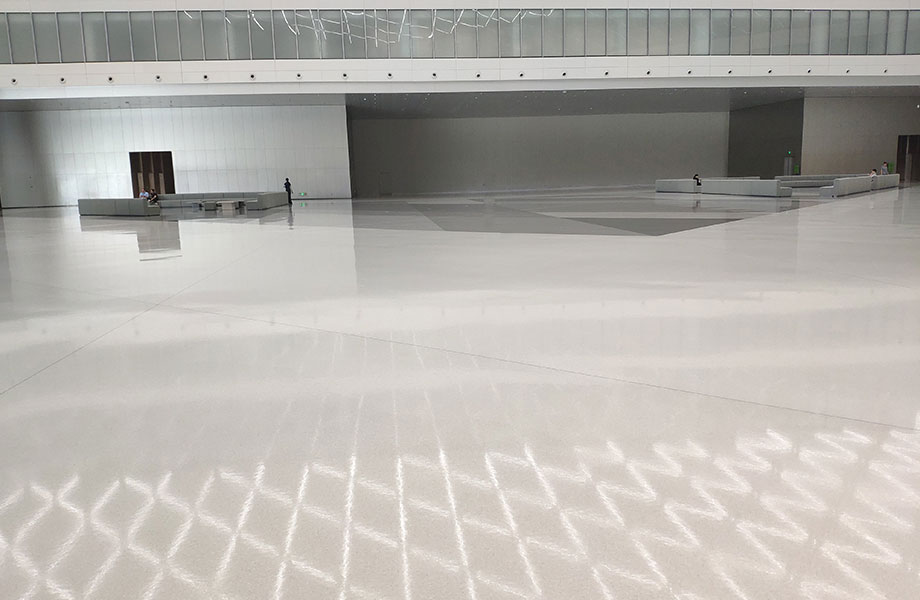
Floor and wall edges, particularly those with ceramic tiles or delicate finishes, are prone to chipping, cracking, or damage from impact. Aluminum edge trim acts as a protective barrier that absorbs shocks and guards edges from knocks and abrasions. This is essential in spaces with heavy foot traffic or where pets and children may increase the risk of damage. By safeguarding tile corners, stair nosings, and countertop edges, aluminum edge trim preserves the integrity of surfaces, reducing costly repairs or replacements.
Aluminum edge trim provides clean, precise lines that contribute significantly to the aesthetics of a room. It creates smooth transitions between different flooring materials or between floors and walls, preventing gaps where dirt, debris, and moisture could accumulate. The result is a neat, cohesive appearance that complements modern design trends emphasizing minimalism and refined finishes. Aluminum trims come in various finishes—brushed, polished, anodized, or powder-coated—allowing customization to match any décor style.
The versatility of aluminum edge trim extends across many surfaces and settings. For floors, it is widely used around tiles, wood, laminate, and carpet edges to ensure durability and continuity. On walls, aluminum trims finish tile edges in bathrooms, backsplashes, and accent walls, contributing both protection and visual appeal. Stair nosings made from aluminum enhance safety by offering slip resistance and protecting step edges. Additionally, aluminum trims are often used around countertops, door frames, and furniture edges to lend a finished and durable look.
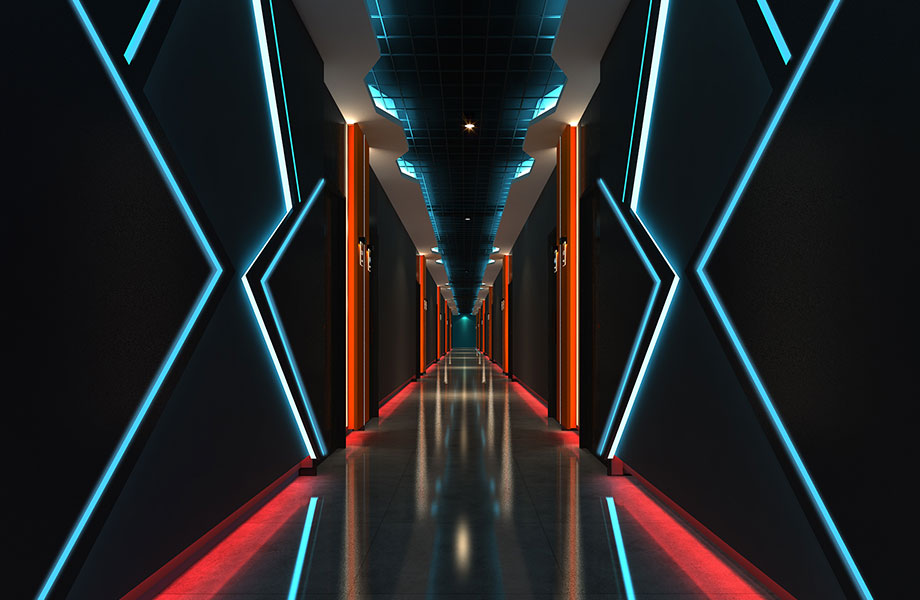
Installing aluminum edge trim is straightforward, saving both time and labor costs. Profiles are designed to fit standard tile or material thicknesses, are easy to cut precisely with standard tools, and can be fixed using adhesives or mechanical fasteners based on surface requirements. Once installed, maintenance is minimal—regular cleaning with water or mild detergents keeps the trim in excellent condition without the need for refinishing or repairs. Aluminum’s natural durability means it won’t degrade or discolor easily, providing a long-term, low-maintenance solution.
Aluminum is highly sustainable due to its recyclability. Using aluminum edge trim supports environmentally responsible building practices by reducing waste and lowering resource consumption compared to replacement-prone alternatives. Its long service life diminishes the frequency of material removal and reinstallations, contributing to a smaller environmental footprint over time. Additionally, aluminum does not emit harmful substances, promoting healthier indoor air quality.
Contemporary interior design tends to favor sleek, clean lines and durable materials—qualities natural to aluminum edge trim. Its metallic finish adds a subtle industrial or high-tech accent that can harmonize seamlessly with minimalist, modern, or even eclectic aesthetics. Designers often use aluminum trims to subtly frame elements, separate zones, or highlight architectural features while lending a consistent theme across the room. This flexibility makes aluminum edge trim a go-to choice in both residential and commercial projects.
In summary, aluminum edge trim offers a perfect blend of protection, durability, style, and ease of use for flooring and walls. Its robust nature guards vulnerable edges from damage while enhancing the visual appeal through clean, elegant transitions. With sustainable manufacturing and eco-friendly benefits, aluminum edge trim is not just a practical choice but also a forward-thinking one that supports modern interior design goals. Its versatility across surfaces, environments, and design styles makes it the ideal finishing solution for lasting, beautiful, and functional-interiors.
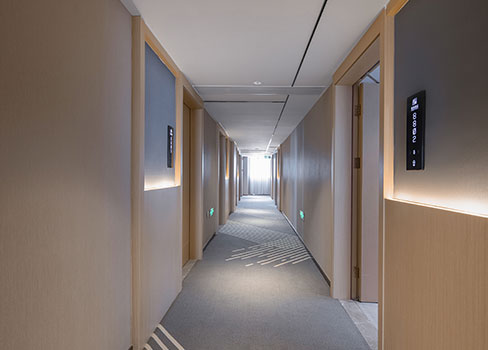
Architectural Applications of Aluminum Trim and Moulding
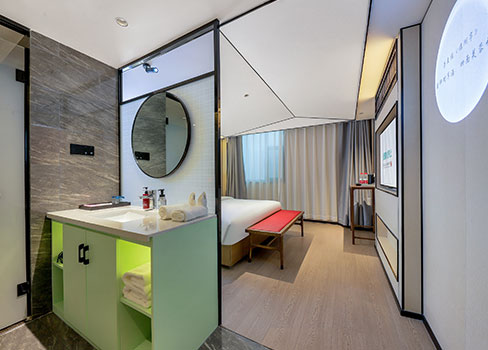
Polished Aluminum Trim in Kitchens and Bathrooms: Adding a Sleek Touch
Aluminum Edge Trim Vs. Aluminum Moulding: What’s the Difference?
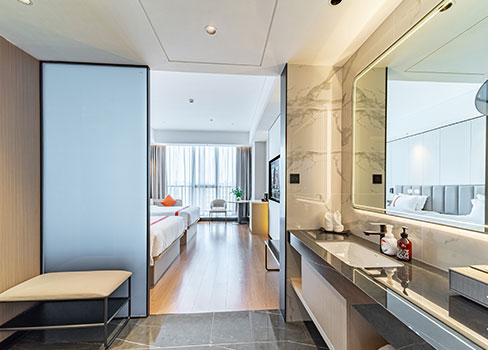
The Ultimate Guide to Aluminum Trim and Moulding for Modern Interiors