
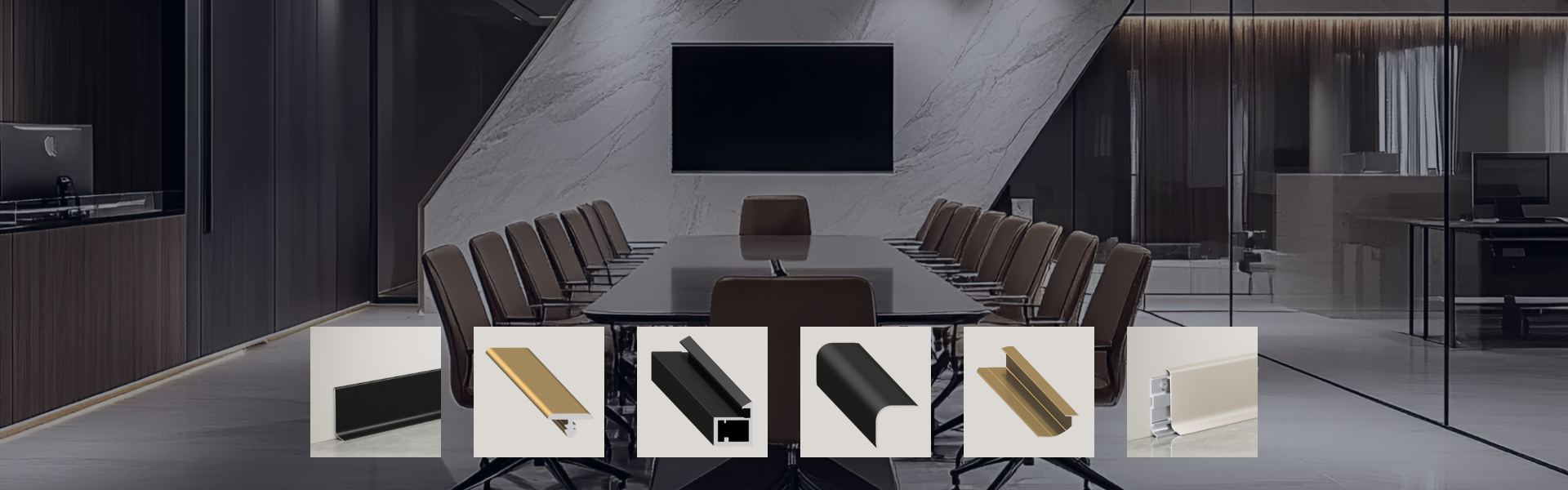
Aluminum trim and moulding have become essential elements for creating modern interiors that are sleek, versatile, and highly durable. This guide explores their benefits, applications, installation tips, and offers expert advice for achieving the perfect modern look.
Aluminum stands out for its decorative appeal, providing clean lines and a rich, metallic texture that complements contemporary aesthetics. Its durability—including resistance to moisture, corrosion, and impact—makes it ideal for environments ranging from living rooms and kitchens to commercial spaces. Unlike wood or PVC, aluminum won’t warp, fade, or succumb to pests, ensuring a lasting, polished finish.
Aluminum trim profiles come in a range of shapes and surface finishes to accommodate different design needs. From subtle edge treatments to bold decorative strips, there are suitable profiles for:
These trims are available in classic brushed aluminum, matte, and powder-coated colors to match any interior palette.
Aluminum trim and moulding unify aesthetics with functional protection:
One of the key advantages of aluminum trims is their easy installation, with profiles engineered for quick alignment and secure attachment using either adhesives or mechanical fasteners. Here’s how to get the best results:
Aluminum trims fit standard panel thicknesses and support both vertical and horizontal orientations for maximum flexibility.
Aluminum is a sustainable choice for modern interiors. It’s recyclable, reduces environmental impact, and supports healthier indoor air quality by eliminating formaldehyde emissions often associated with wood products. Maintenance is minimal—regular cleaning with water is sufficient to keep the trim looking new.
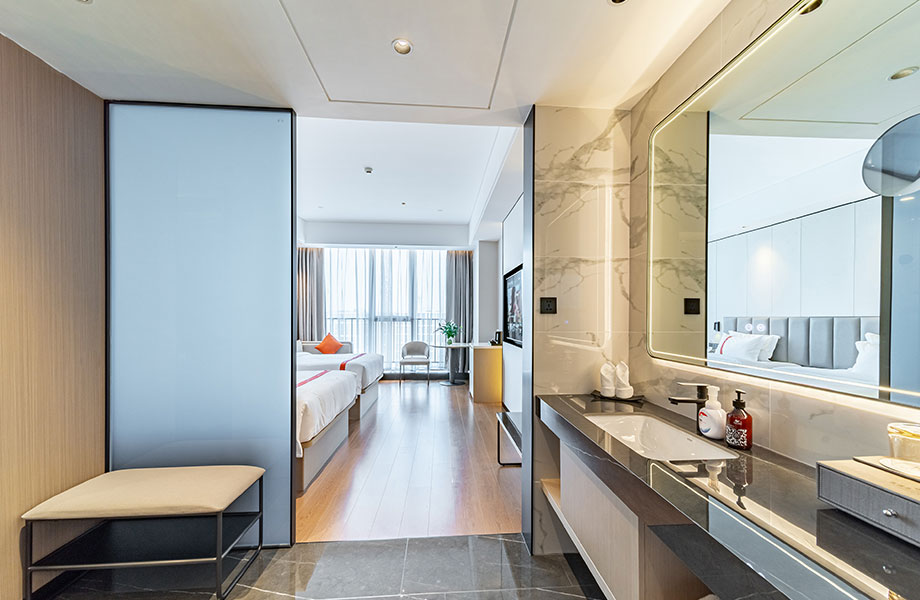
The minimalism of modern design aligns perfectly with the crisp lines and seamless transitions offered by aluminum trims. Designers use these profiles to emphasize architectural features, create spatial flow, and add subtle metallic accents without overwhelming the space.
Key trends include:
When choosing aluminum trims and mouldings, consider:
While aluminum trims are generally straightforward to install, custom spaces or complex designs may pose alignment challenges. Mitigate these by investing in professional installation for intricate layouts or using custom-sized profiles.
Addressing compatibility with other materials is key—ensure adhesives and fasteners are suitable for both aluminum and adjacent substrates (e.g., tile, glass, wood).
Aluminum trim and moulding are defining features for modern interiors, delivering unmatched durability, style, and flexibility. Their versatility, sustainability, and ease of installation make them an indispensable choice for architects, designers, and homeowners alike. By carefully selecting, installing, and maintaining aluminum profiles, any space can achieve a sharp, contemporary look that endures for decades.
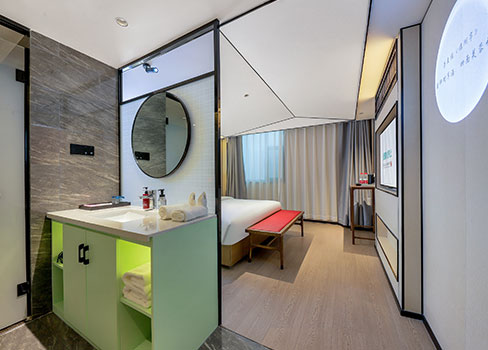
Polished Aluminum Trim in Kitchens and Bathrooms: Adding a Sleek Touch
Why Aluminum Edge Trim Is the Perfect Solution for Flooring and Walls
Aluminum Edge Trim Vs. Aluminum Moulding: What’s the Difference?
Architectural Applications of Aluminum Trim and Moulding