
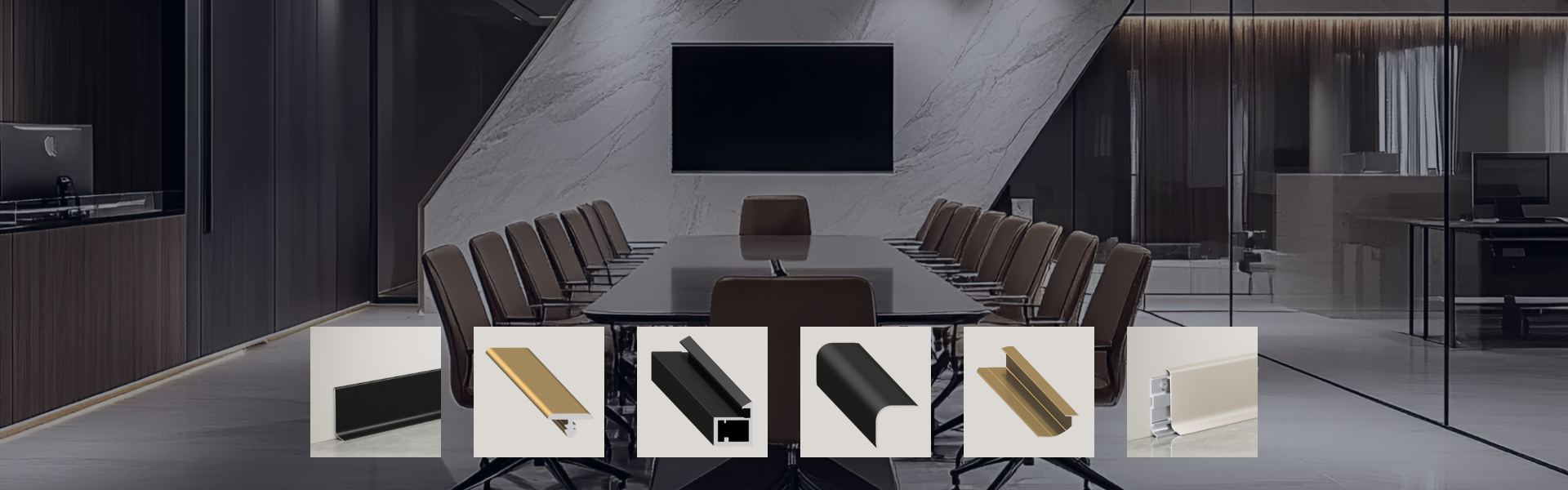
In modern interior design, kitchens and bathrooms are spaces where aesthetics meet functionality, and materials need to withstand humidity, frequent use, and cleaning. Polished aluminum trim has become a favored finish, offering a sleek, elegant touch while delivering robust durability and practical advantages. This blog explores why polished aluminum trim is perfect for kitchens and bathrooms, highlighting its benefits, applications, maintenance tips, and design inspiration.
Kitchens and bathrooms are high-moisture environments where materials are prone to damage, corrosion, and degradation. Polished aluminum trim excels in these settings due to its natural resistance to rust, corrosion, and moisture damage. Unlike wood or steel, aluminum does not warp, swell, or stain when exposed to humidity or water. Its polished finish is not only visually appealing but also durable, maintaining its shine and structural integrity over time. This resistance makes it a preferred choice for areas like kitchen backsplashes, cabinet edges, shower corners, and bathroom flooring transitions.
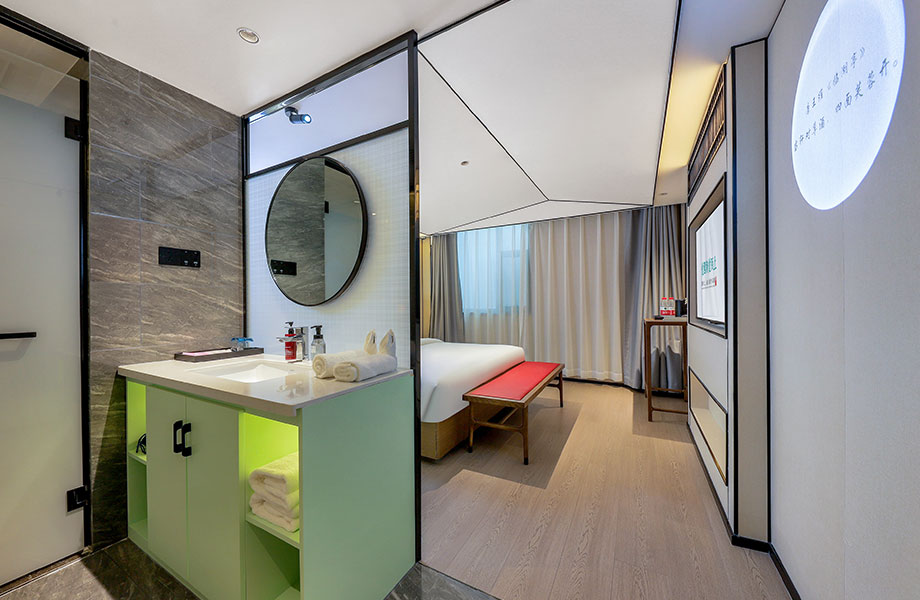
Tile edges and panel edges in kitchens and bathrooms are vulnerable to chipping, cracking, or peeling, especially in busy households or commercial settings. Polished aluminum trim acts as a protective barrier that absorbs impact and prevents damage to delicate tile or countertop edges. It also stabilizes edges where different materials meet, such as tile to countertop or tile to wall transitions, ensuring that these junctures remain neat, safe, and intact. The trim’s sturdy profile means it withstands everyday wear and tear, preserving the installed surfaces’ longevity.
With its smooth, reflective surface, polished aluminum trim adds an unmistakable modern, sophisticated flair to interiors. Its metallic sheen complements a wide variety of tile colors, materials, and design themes ranging from minimalist and industrial to luxurious and contemporary. Available in various profiles and sizes, it can frame countertops, accent backsplashes, create clean corners in showers, or highlight flooring transitions with precision and elegance. Polished aluminum’s ability to reflect light enhances room brightness and depth, contributing to an inviting atmosphere in kitchens and bathrooms.
Polished aluminum trim can be tailored for numerous kitchen and bathroom elements:
One of the advantages of polished aluminum trim is its ease of installation. Profiles are designed to align perfectly with standard tile or panel thicknesses. Cutting polished aluminum trim requires simple tools like a miter or hacksaw with a fine blade, allowing for accurate, clean cuts. It can be attached with adhesives or mechanical fasteners depending on the substrate and location, making it suitable for both DIY enthusiasts and professional contractors. Proper installation ensures tight joints and seamless finishes that enhance the overall design.
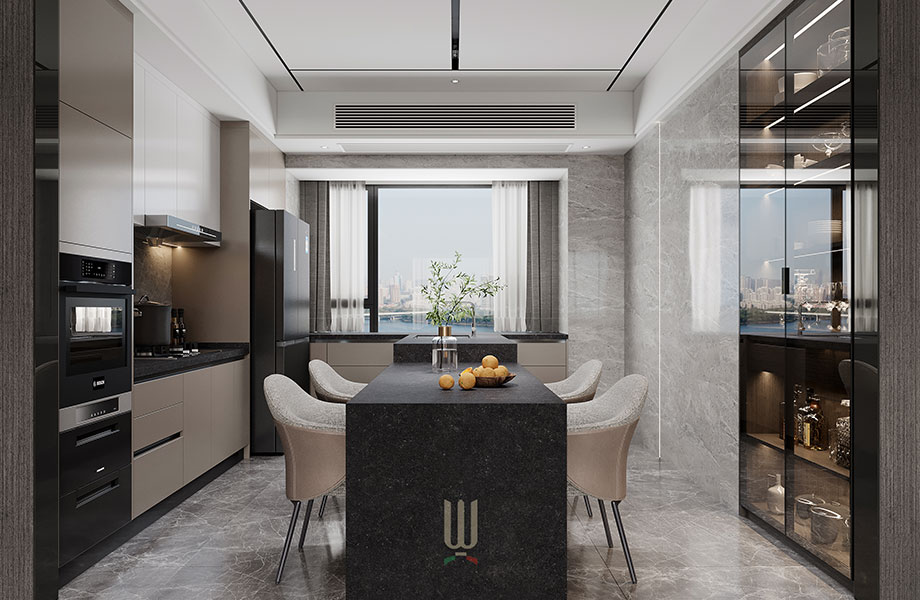
Maintaining polished aluminum trim is straightforward with minimal effort. Regular cleaning with a soft cloth and mild detergent keeps the trim gleaming and free from buildup like soap scum or grease. The non-porous surface resists mold, mildew, rust, and discoloration, making it ideal for moisture-prone kitchens and bathrooms. Unlike painted or plastic trims that may fade or crack, polished aluminum remains as visually striking as the day it was installed, providing long-term value and reducing replacement costs.
Aluminum is an environmentally sustainable material due to its recyclability. Using polished aluminum trim supports green building practices by minimizing waste and lowering the need for frequent material replacement. Moreover, aluminum does not emit harmful volatile organic compounds (VOCs), contributing to healthier indoor air quality compared with some synthetic trims. Its corrosion resistance and stability mean fewer renovations, aligning with long-term eco-friendly design principles.
The polished aluminum trim trend aligns with contemporary aesthetics that emphasize clean lines, reflective surfaces, and a balance between industrial and luxe designs. Popular design approaches include:
Polished aluminum trim is more than a functional accessory—it is a design statement in kitchens and bathrooms that merges durability, protection, and style. Its moisture resistance, ease of maintenance, and aesthetic versatility make it an ideal choice for high-use, high-humidity environments. Whether used to protect tile edges, frame countertop backsplashes, or accentuate shower niches, polished aluminum trim brings a sleek, modern touch that elevates interior spaces and stands the test of time. For homeowners and designers seeking lasting beauty combined with practicality, polished aluminum trim offers an outstanding solution that defines contemporary kitchen and bathroom design.

Aluminum Edge Trim Vs. Aluminum Moulding: What’s the Difference?
The Ultimate Guide to Aluminum Trim and Moulding for Modern Interiors
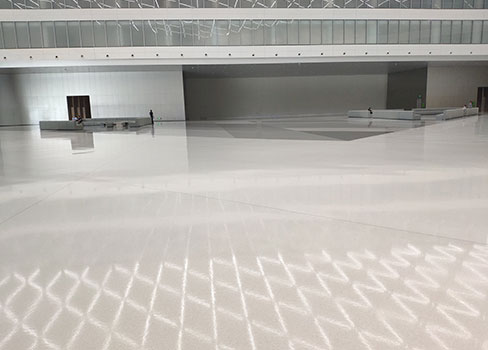
Why Aluminum Edge Trim Is the Perfect Solution for Flooring and Walls
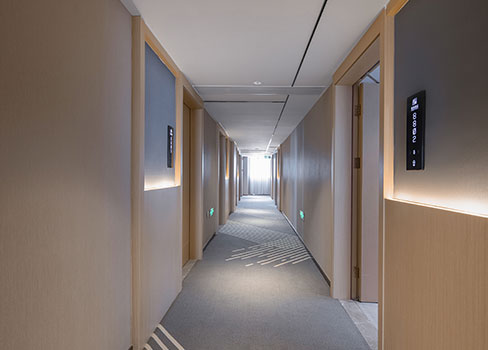
Architectural Applications of Aluminum Trim and Moulding