Aluminum Edge Trim Vs. Aluminum Moulding: What’s the Difference?

Aluminum trim and moulding are transformative elements in modern interior design, offering a combination of durability, versatility, and contemporary aesthetics that elevate any space. In this blog, we break down everything homeowners, designers, and builders need to know to make informed choices, from the evolution of aluminum profiles to design considerations and installation strategies.

Aluminum Trim Vs. Aluminum Moulding

Aluminum trim refers to slender profiles, strips, or channels crafted to protect, finish, or accentuate the edges of surfaces such as tiles, floors, and countertops. Its function is primarily protective and aesthetic—preventing chipping, hiding cut edges, and providing a crisp, linear transition between materials.

Aluminum moulding is a broader term for architectural trims fitted to frame or outline features like walls, ceilings, windows, and doors. Originally popularized by classic wood mouldings, aluminum profiles now offer similar shapes (baseboards, chair rails, crown mouldings) but with a metallic edge, modern texture, and improved strength. Moulding is often used for both visual impact and to cover joints or seams in construction.
Aluminum Edge Trim Vs. Aluminum Moulding: What’s the Difference

Comparison Table

 Aluminum Edge TrimAluminum Moulding
Main PurposeProtects and finishes exposed edgesFrames, decorates, and divides architectural features
Typical UsesTile edges, floors, countertops, stair nosingWalls, ceilings, windows, doors
AppearanceSlim, minimal, functional profilesOrnate or simple, more pronounced designs
FunctionalityPrevents chips and wear, delivers clean transitionAdds detail, hides gaps, creates separation
InstallationAdhesive, screws, embedded beneath surfaceNailed or screwed to framing/finish surfaces

Material Advantages

Both trim and moulding made from aluminum offer distinct advantages over traditional wood or PVC:

  • High resistance to moisture and humidity—ideal for baths, kitchens, and outdoor applications
  • Superior toughness and long-term color retention, even in high-traffic areas and under heavy use
  • Lightweight yet structurally robust, simplifying handling and reducing strain on building frameworks
  • Zero formaldehyde emissions, contributing to healthier interior air quality
  • Recyclable and environmentally sustainable for responsible building practices

Design Choices for Modern Spaces

Aluminum trim and moulding come in a spectrum of surface finishes—brushed, polished, or powder-coated. This ensures:

  • Harmonization with various design styles from minimalist to industrial and high-tech settings
  • Accent edges in monochrome, metallic, or even vibrant colors for artistic expression
  • Seamless integration with stone, tile, wood, and glass surfaces, giving designers flexibility

Trim and Moulding Profiles

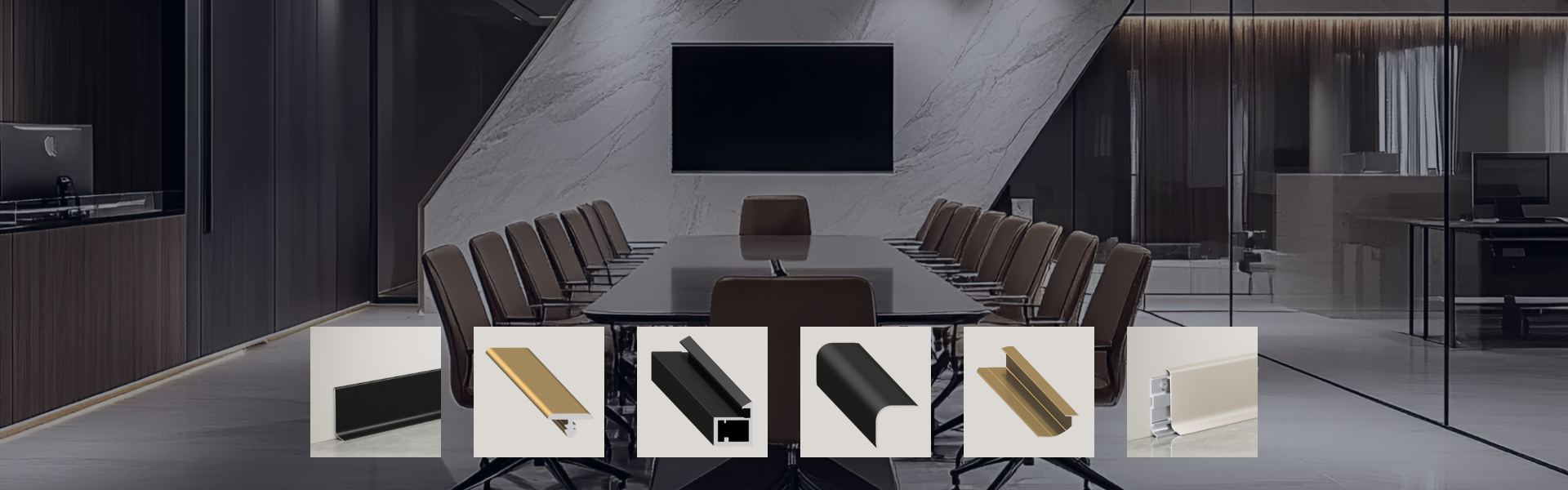
Popular Aluminum Trim Profiles:

  • Corner edge trims: Protect and highlight tile, stone, or panel junctions
  • Flat strips and T-mouldings: Cover flooring transitions or surface splits
  • Stair nosings: Offer slip resistance and safeguard the edge of each step
  • Tile edge trims: Conceal tile cuts and provide a tidy transition

Popular Aluminum Moulding Profiles:

  • Baseboards and skirting: Define the lower edge of walls, hiding gaps and adding style
  • Chair rails: Protect walls from furniture and break up color schemes
  • Crown and cornice moulding: Create visual transitions from walls to ceilings for a refined effect
  • Window and door casings: Frame structural openings for a finished look

Installation Best Practices

The success of aluminum trim and moulding relies on good installation. Key steps include:

  • Precisely measuring and cutting profiles with a miter saw for accurate joints and corners
  • Using suitable adhesives or mechanical fasteners depending on the substrate and profile type
  • Cleaning and preparing surfaces for strong adhesion or fixing
  • Accommodating expansion and contraction gaps, especially in environments with temperature fluctuation
  • Consulting professional installers for complex layouts, custom designs, and large-scale projects

Maintenance and Longevity

Aluminum trim and moulding are extremely low-maintenance:

  • Routine cleaning with water or gentle cleaning agents preserves their sheen and prevents build-up
  • No risk of rot, pest infestation, or chemical degradation, even in harsh environments
  • Surface finishes resist stains and scratches, maintaining their original appearance over many years

Sustainability

Aluminum’s green credentials make it a preferred choice for eco-conscious projects:

  • 100% recyclable at the end of its life cycle, reducing landfill burden
  • Supports LEED and other environmental certifications for buildings
  • Reduces the need for replacement due to its long useful lifespan, saving resources

Trends in Contemporary Design

Current interior design embraces aluminum for its ability to shape sleek, airy, and tech-inspired spaces:

  • Monochrome matte finishes for understated elegance
  • Metallic accents as focal points in minimalist settings
  • Integrated lighting tracks and channels for ambient illumination effects
  • Hybrid applications with glass, mirror, and stone

Designers combine aluminum trims with bold contrasts, layering matte and glossy surfaces, or using brushed metallic edges in tandem with natural materials for a dynamic, modern look.
Aluminum Edge Trim Vs. Aluminum Moulding: What’s the Difference

Choosing the Right Product

Key considerations when selecting aluminum trim or moulding:

  • Identify whether the need is edge protection (choose trim) or architectural framing/accent (choose moulding)
  • Match the color and finish to the surrounding decor for visual coherence
  • Consider profile thickness and shape based on expected foot traffic, wear, and room usage
  • Examine installation options—DIY profiles for home projects versus professional-grade for commercial jobs

Common Challenges and Solutions

While versatile and robust, aluminum trims can pose challenges:

  • Size and finish matching with adjacent materials—address by requesting samples before installation
  • Difficulties in cutting or shaping complex profiles—opt for professionals on intricate projects
  • Ensuring compatibility with adhesives or fixings for a secure bond—always use recommended products for specific substrates

Expert Tips for Seamless Results

  • Always order a small excess of trim or moulding for corners, intricate cuts, or future touch-ups
  • For best appearance, line up colors and finishes across different trim and moulding profiles
  • Create sample boards in advance to test fit and finish before full installation
  • Embrace custom profiles or powder coating for uniquely tailored designs

Conclusion

Aluminum trim and moulding are vital for modern interiors, delivering unmatched performance, style, and sustainability. With endless profiles, finishes, and installation options, aluminum empowers designers, homeowners, and builders to craft spaces that are resilient, elegant, and future-ready. Whether protecting delicate tile edges, framing architectural details, or adding a contemporary flourish, aluminum trim and moulding set a new benchmark in interior design. Aluminum trim and moulding are essential elements in modern interior design, valued for their durability, aesthetics, and versatility. This comprehensive guide explores the key differences, advantages, style options, installation tips, and latest trends for using aluminum profiles to elevate contemporary interiors.
INQUIRY