
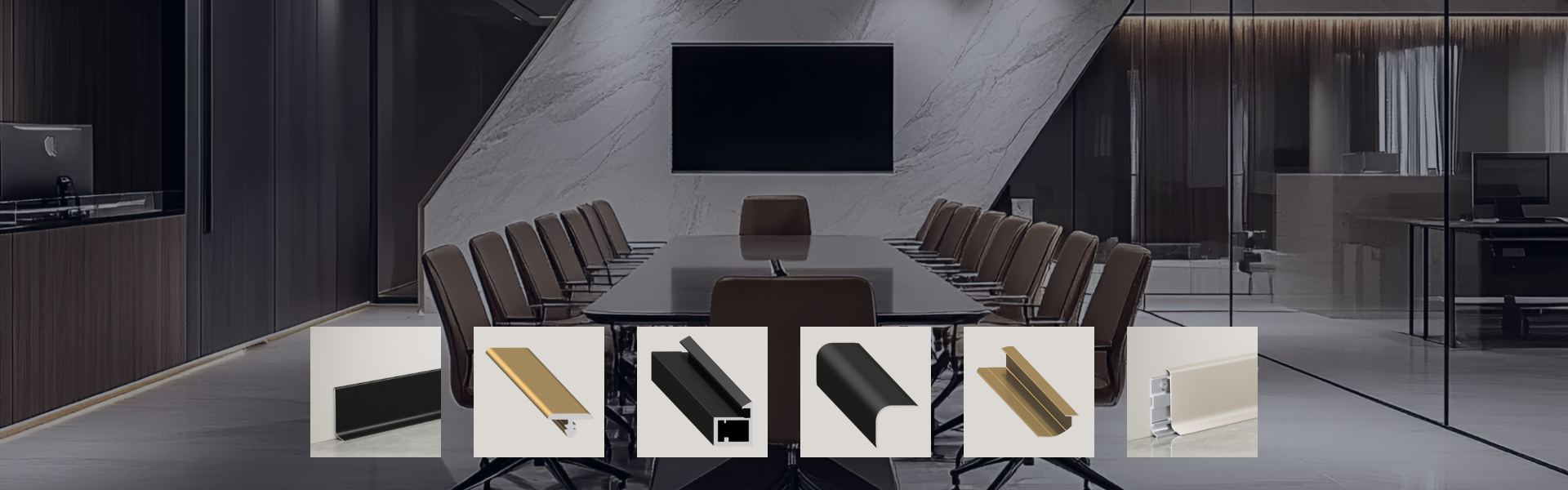
Aluminum trim and moulding have emerged as essential components in modern architecture, blending functionality, aesthetic appeal, and durability. Their versatility spans a wide range of architectural applications in both commercial and residential projects. This blog explores the numerous ways aluminum trim and moulding contribute to architectural design, highlighting their benefits, types, uses, and installation considerations for creating sophisticated, durable spaces.
Aluminum is prized in architecture for its excellent corrosion resistance, lightweight nature, and high strength-to-weight ratio. These properties allow aluminum trims and mouldings to withstand harsh environmental conditions—including moisture, UV exposure, and temperature fluctuations—without rusting or warping. This durability ensures long-lasting performance in interior and exterior applications, reducing maintenance costs and extending the life of architectural elements.
Moreover, aluminum is highly recyclable, making it a sustainable choice that aligns with green building practices. Its adaptability also enables extrusion into a variety of profiles and finishes, from matt and anodized to powder-coated colors, suiting diverse architectural styles from minimalist modernism to elaborate classical designs.
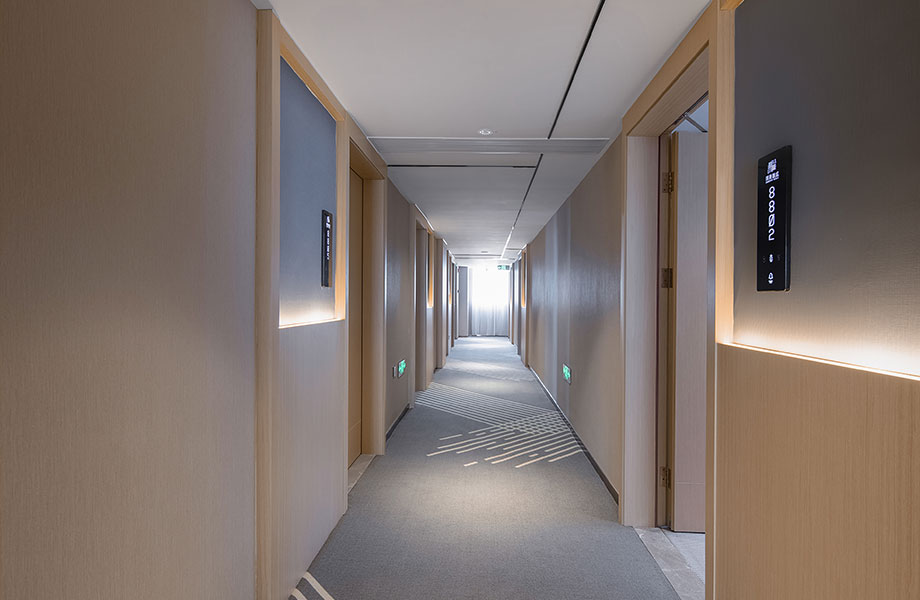
Architectural aluminum trims come in numerous profile designs, each serving specific structural or decorative purposes:
Aluminum trim and moulding find applications in many architectural contexts, providing both aesthetic enhancement and structural support:
Aluminum trims provide architects and designers exceptional freedom in creating visually engaging spaces. Their profiles define sharp edges, create rhythm and layering, and allow integration with light fixtures or signage. Anodized and powder-coated finishes enable matching with wood, stone, glass, and other materials, creating cohesive, polished interiors and facades.
Additionally, trims can be designed to conceal gaps between materials, hide mechanical fasteners, or provide thermal breaks, improving building performance invisibly. The customizability extends to unique shapes and bespoke colors, enhancing branding or thematic designs in commercial architecture.
Proper installation of aluminum trim and moulding is crucial for durability, appearance, and functionality. Key points include:
Architectural aluminum trims contribute positively to sustainability goals through recyclability and longevity, minimizing resource use and waste. Many aluminum trims comply with building codes and standards related to fire resistance, structural integrity, and environmental impact, supporting LEED and other green certifications.
Advancements in extrusion technology and finishes have expanded the use of aluminum trims in architecture. Trends include:
Aluminum trim and moulding transcend traditional building elements to become fundamental components shaping contemporary architecture’s look and performance. Their unmatched durability, design flexibility, and environmental benefits make them indispensable for architects and builders aiming to create spaces that are beautiful, functional, and sustainable. From cladding edges to millwork accents, aluminum trims deliver sleek, precise lines that complete architectural visions with lasting quality and style.
Why Aluminum Edge Trim Is the Perfect Solution for Flooring and Walls
Aluminum Edge Trim Vs. Aluminum Moulding: What’s the Difference?
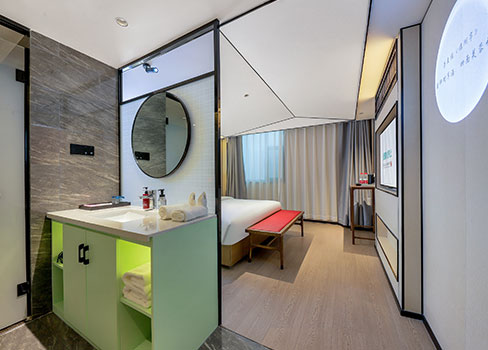
Polished Aluminum Trim in Kitchens and Bathrooms: Adding a Sleek Touch
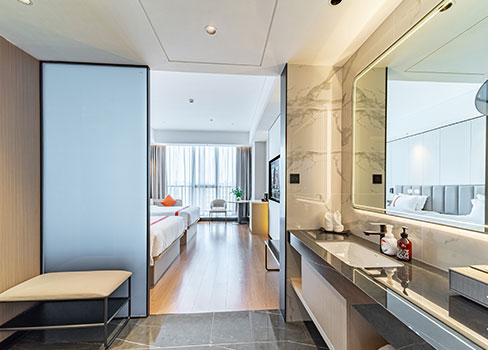
The Ultimate Guide to Aluminum Trim and Moulding for Modern Interiors