
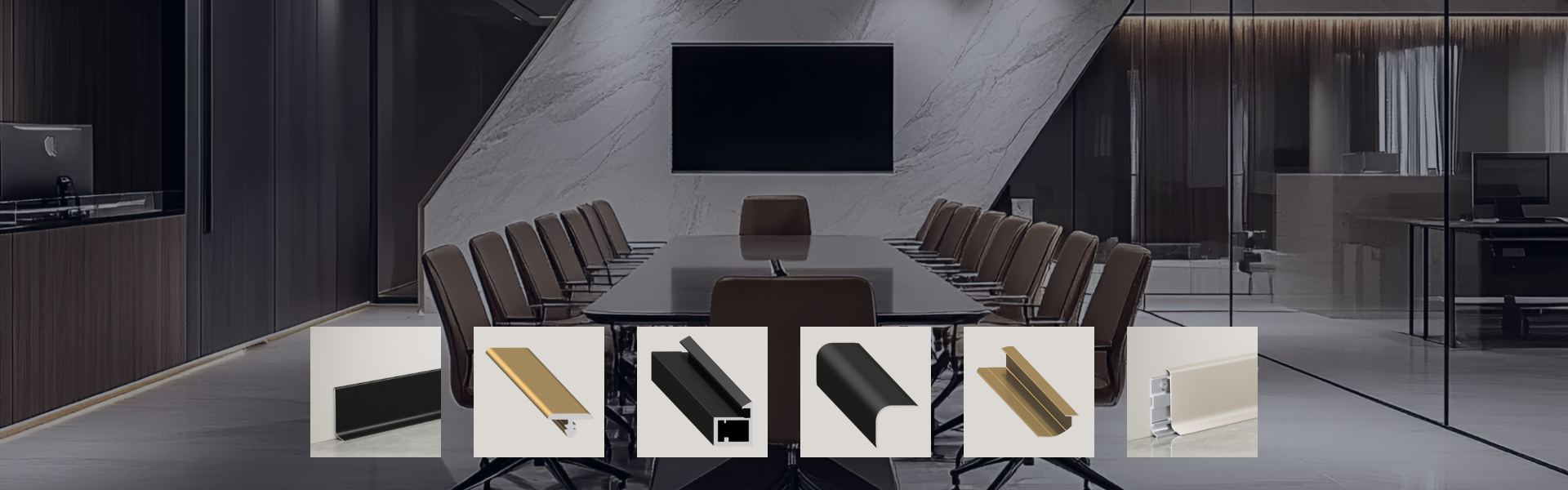
Aluminum trim and moulding are transformative elements in modern interior design, offering a combination of durability, versatility, and contemporary aesthetics that elevate any space. In this blog, we break down everything homeowners, designers, and builders need to know to make informed choices, from the evolution of aluminum profiles to design considerations and installation strategies.
Aluminum trim refers to slender profiles, strips, or channels crafted to protect, finish, or accentuate the edges of surfaces such as tiles, floors, and countertops. Its function is primarily protective and aesthetic—preventing chipping, hiding cut edges, and providing a crisp, linear transition between materials.
Aluminum moulding is a broader term for architectural trims fitted to frame or outline features like walls, ceilings, windows, and doors. Originally popularized by classic wood mouldings, aluminum profiles now offer similar shapes (baseboards, chair rails, crown mouldings) but with a metallic edge, modern texture, and improved strength. Moulding is often used for both visual impact and to cover joints or seams in construction.
| Aluminum Edge Trim | Aluminum Moulding | |
| Main Purpose | Protects and finishes exposed edges | Frames, decorates, and divides architectural features |
| Typical Uses | Tile edges, floors, countertops, stair nosing | Walls, ceilings, windows, doors |
| Appearance | Slim, minimal, functional profiles | Ornate or simple, more pronounced designs |
| Functionality | Prevents chips and wear, delivers clean transition | Adds detail, hides gaps, creates separation |
| Installation | Adhesive, screws, embedded beneath surface | Nailed or screwed to framing/finish surfaces |
Both trim and moulding made from aluminum offer distinct advantages over traditional wood or PVC:
Aluminum trim and moulding come in a spectrum of surface finishes—brushed, polished, or powder-coated. This ensures:
Popular Aluminum Trim Profiles:
Popular Aluminum Moulding Profiles:
The success of aluminum trim and moulding relies on good installation. Key steps include:
Aluminum trim and moulding are extremely low-maintenance:
Aluminum’s green credentials make it a preferred choice for eco-conscious projects:
Current interior design embraces aluminum for its ability to shape sleek, airy, and tech-inspired spaces:
Designers combine aluminum trims with bold contrasts, layering matte and glossy surfaces, or using brushed metallic edges in tandem with natural materials for a dynamic, modern look.
Key considerations when selecting aluminum trim or moulding:
While versatile and robust, aluminum trims can pose challenges:
Aluminum trim and moulding are vital for modern interiors, delivering unmatched performance, style, and sustainability. With endless profiles, finishes, and installation options, aluminum empowers designers, homeowners, and builders to craft spaces that are resilient, elegant, and future-ready. Whether protecting delicate tile edges, framing architectural details, or adding a contemporary flourish, aluminum trim and moulding set a new benchmark in interior design. Aluminum trim and moulding are essential elements in modern interior design, valued for their durability, aesthetics, and versatility. This comprehensive guide explores the key differences, advantages, style options, installation tips, and latest trends for using aluminum profiles to elevate contemporary interiors.
Polished Aluminum Trim in Kitchens and Bathrooms: Adding a Sleek Touch
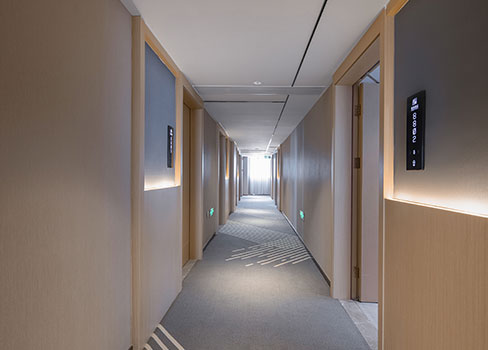
Architectural Applications of Aluminum Trim and Moulding
Why Aluminum Edge Trim Is the Perfect Solution for Flooring and Walls
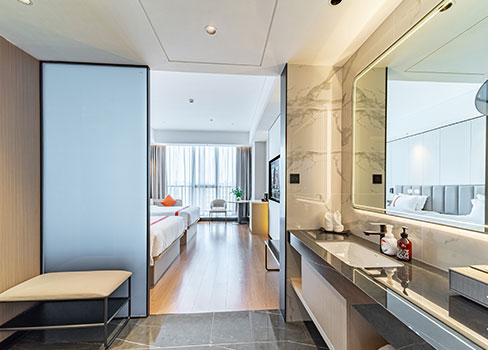
The Ultimate Guide to Aluminum Trim and Moulding for Modern Interiors